Home Is Where You Park It
If you’re anything like me; new to van life, excited, slightly overwhelmed, and constantly googling: “where can I park a camper van UK?”, then welcome.
You’re in exactly the right place because I’m going to share my Newbies Guide to Overnight Parking!
Having to learn where you can and can’t park in the UK is almost an initiation rite for new VanLifers. While I haven’t had sleepless nights worrying about it, the thought of being ‘knocked on’ or worse, ‘moved on’ did play on my mind as a solo female wanderer.
Turns out it’s just a blend of common sense, local knowledge, a little bravery, and a whole lot of app-checking.
So here’s everything I’ve learned so far, from legalities to hidden gems, and all the practical little tips I wish someone had handed me on day one.
1. Understanding the Basics: Wild Parking vs Campsites
Wild Parking / Informal Overnight Spots
You’ll hear terms like “wild camping,” “stealth parking,” or simply “pulling up somewhere quiet.” In the UK, parking overnight in your vehicle isn’t technically illegal, but sleeping in it may be restricted depending on the landowner or local by-laws.
Key things to know:
-
In Scotland, public access laws are more relaxed (thank you, Scottish Outdoor Access Code), but parking in vehicles is still restricted in some national parks—so always check signs.
-
In England, Wales, and Northern Ireland, overnighting without permission on private land technically isn’t allowed—though many van lifers still do it respectfully.
-
As long as you’re discreet, tidy, non-intrusive, and respectful, many rural areas are tolerant.
Campsites and Caravan Parks
Your safest, simplest option—especially when starting out.
-
They provide facilities: toilets, showers, waste disposal, electric hook-up.
-
They can be surprisingly affordable if you look around.
-
They’re great for resetting after a few stealth nights.
Apps like Pitchup, Campstead, and The Camping and Caravanning Club make finding legit pitches easy.
2. Car Parks, Lay-bys, and Service Stations
These can be useful in a pinch, but each comes with its own quirks:
Public Car Parks
Some councils allow overnight van parking, others absolutely do not.
Signs to look for:
-
“No overnight sleeping or camping”
-
Height barriers (a van-lifer’s worst enemy!)
-
Maximum stay limits
Apps like Parkopedia or JustPark help you find larger car parks that accommodate campers.
Lay-bys
A classic option for long-distance travellers:
-
Best used for a quick sleep, not a multi-night stay.
-
Choose the ones set far back from the road for safety and noise reduction.
-
Avoid busy A-roads unless you can sleep through lorries roaring past at 3am.
Motorway Services
A lifesaver during long journeys:
-
Most allow overnight stays (often paid).
-
Expect CCTV, lighting, and a bit of noise—but also convenience and 24/7 snacks.
3. Park4Night: The Holy Grail for UK Van Lifers
If you download nothing else, download Park4Night.
It’s crowdsourced, which means:
-
Real locations from real van lifers
-
Ratings, photos, and comments
-
Categories like remote spots, car parks, picnic areas, campsites, and more
It shows you places you’d never find on Google Maps.
Other great apps to keep nearby:
-
Search for Sites – similar to Park4Night but more campsite-focused
-
Brit Stops – pubs, farms, breweries that let you stay overnight if you have their yearly book
-
What3Words – for pinpointing exact locations
-
OS Maps – helps you tell if you’re accidentally on private land
4. Where You Probably Shouldn’t Park
There are places that look tempting but are almost guaranteed trouble:
-
Beaches with soft access roads (you’ll sink)
-
National Trust or RSPB car parks (many are gated or locked at night)
-
Residential streets with tight parking (you’ll stick out like a sore thumb)
-
Height-barriered car parks (your roof fan will thank me)
-
Anywhere with obvious “no overnight” signage
And a general rule of thumb: if it feels sketchy, it probably is. Move on. Peace of mind is worth the extra drive.
5. How to Be a Good Neighbour in the Van Life World
Part of parking freely is keeping the privilege alive. Here’s the unspoken code:
-
Arrive late, leave early in stealth spots
-
Never, ever leave rubbish or waste
-
Cook inside if you’re in a residential area
-
Don’t set out chairs, awnings, or anything that screams “camping”
-
Be friendly to locals and other van lifers
-
Keep noise down (diesel heaters at 2am are… character-building)
Follow this, and you’ll be welcomed almost everywhere.
6. The Kind of Spots I’m Looking Forward to Finding
As someone still discovering the magic of this lifestyle, here are the places I know I’ll fall in love with:
Forestry lay-bys
Quiet, peaceful, birdsong in the morning. Pure therapy.
Rural pubs with car parks
After a warm dinner and a chat with locals, drifting off in the van sounds like heaven.
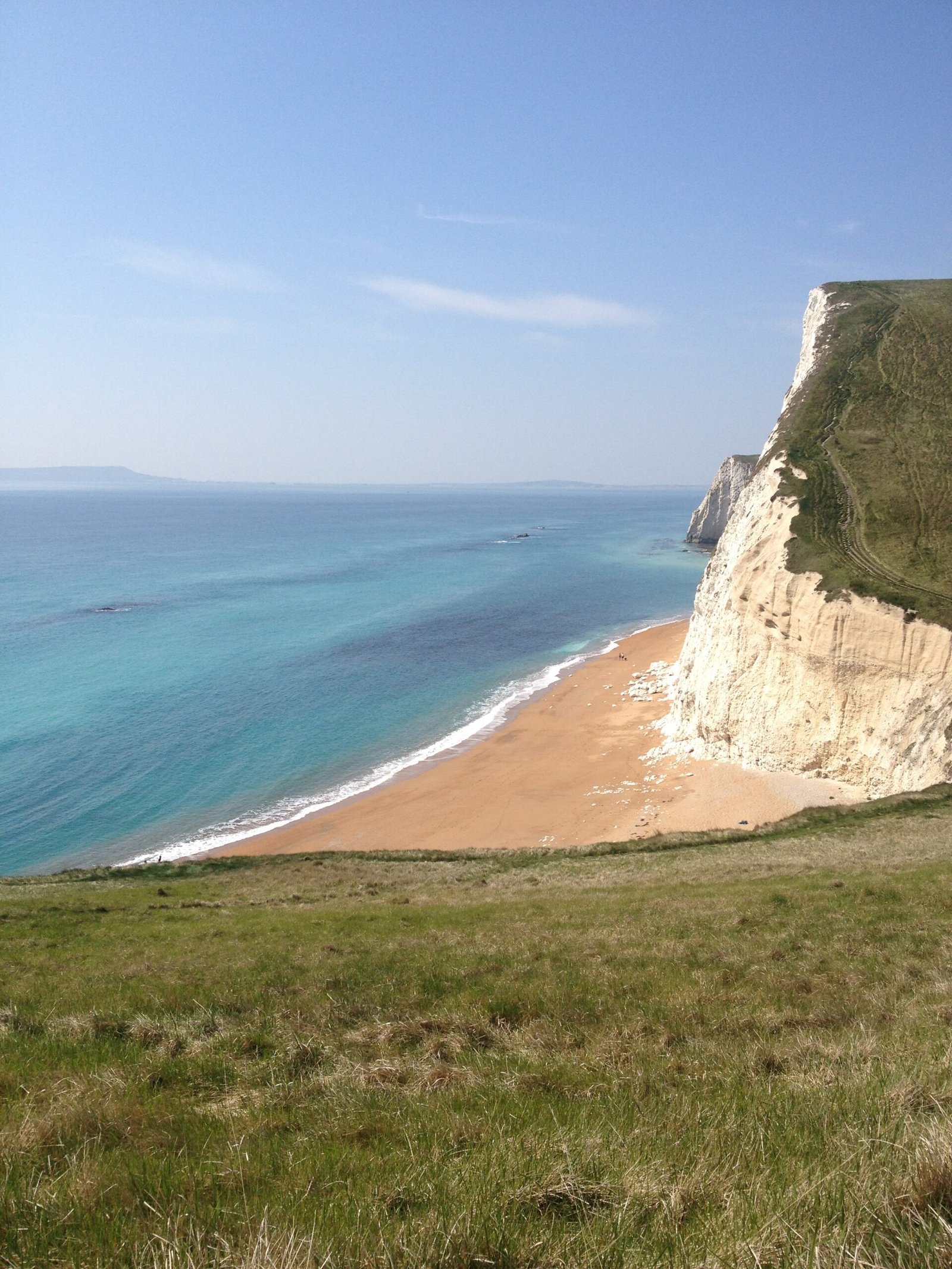
Clifftop or coastal car parks
Worth checking restrictions—waking up to sea air is the price I’m willing to pay for the extra faffing.
Farm stays
A safe middle ground between wild and campsite.
Small-town car parks with 24hr limits
When I need something central, most feedback is that these are surprisingly safe, well-lit, and quiet.
7. Final Thoughts: We Will Learn As We Go
According to those with plenty of experience, there’s no one “right” way to park your camper van in the UK. Every van lifer finds their own rhythm between campsites, stealth parking, Brit Stops, and the occasional cheeky lay-by nap.
But here’s what I’ve discovered to be the overarching truth:
If you stay respectful, stay curious, and follow your instincts, the UK opens up in the most generous way.
Your van becomes more than a vehicle—it becomes your tiny moving permission slip to explore.
And every new parking spot becomes its own small adventure.
I can’t wait!