Choosing The Right Van for your VanLife Adventures
Choosing The Right Van for your VanLife Adventures
How exciting, you’re buying a camper van! – Me too!
I’ve been looking at what’s out there; van choices, features and all of the extras to make our time on the road happy, fulfilling and convenient.
“Live your life by a compass not a clock”
– Steven Covey
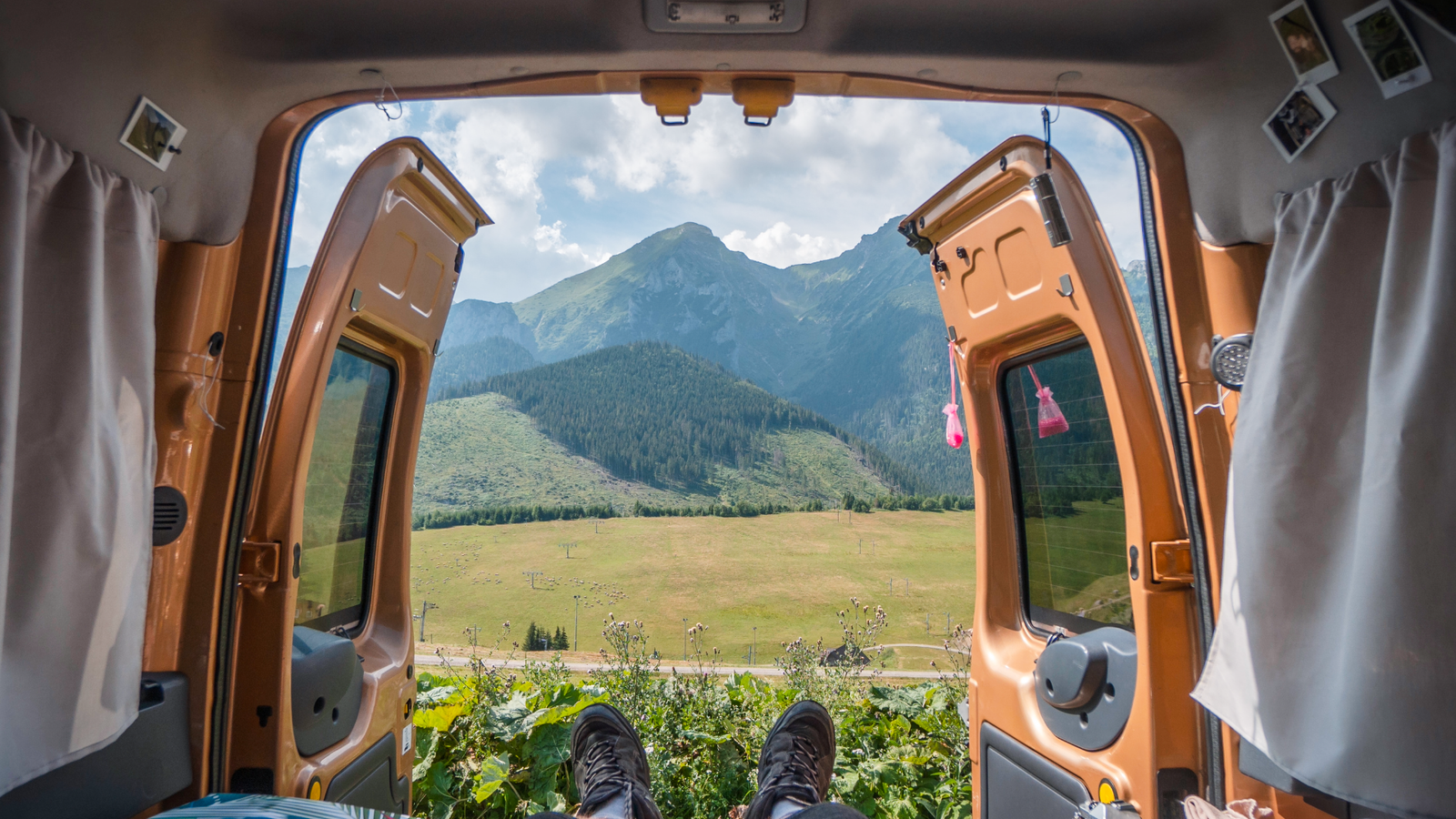
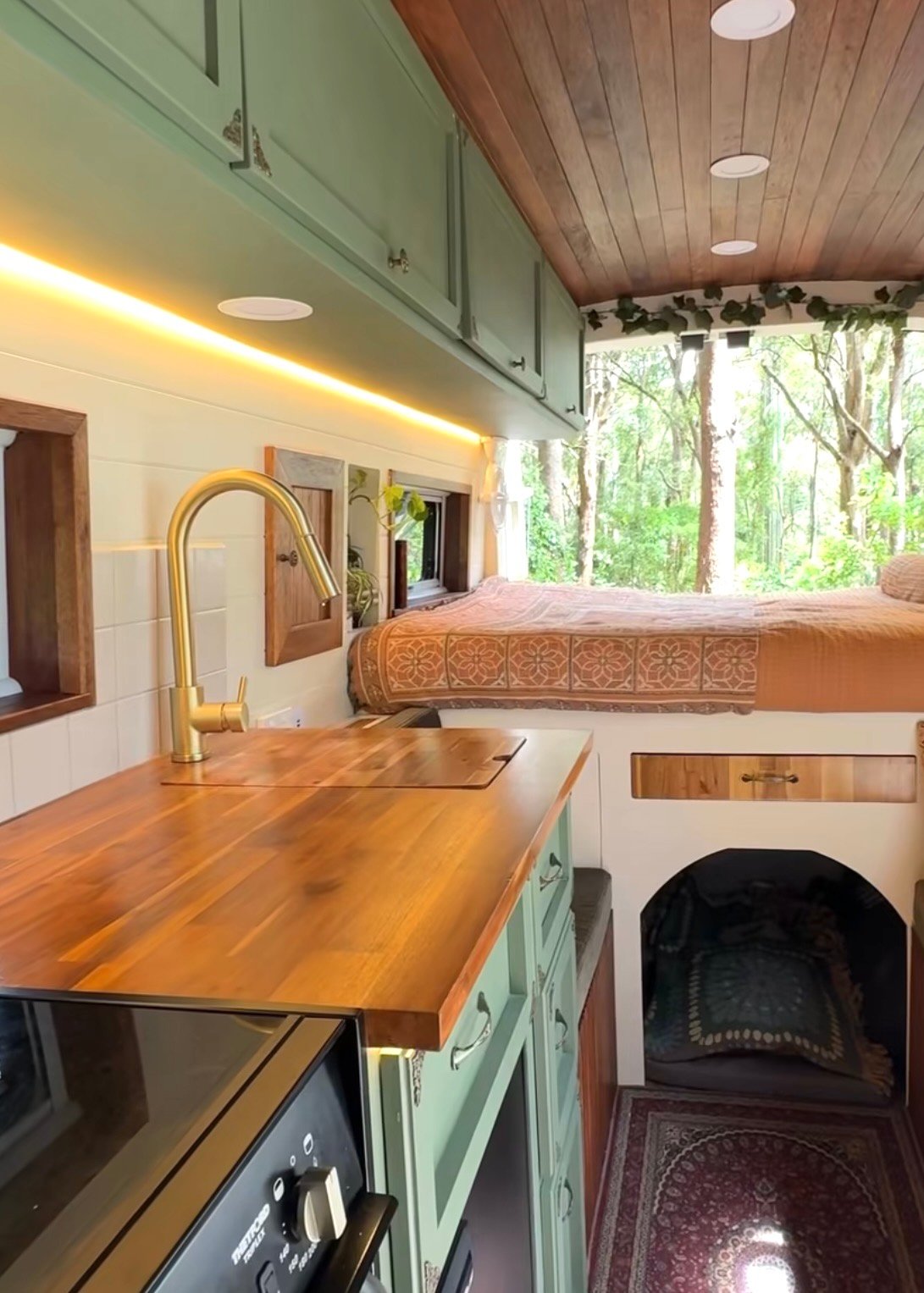
Buying a camper van in the UK is an exciting prospect, whether you’re after weekend escapes or dreaming of full-time van life, but there are distinct paths you can take with different budgets, features, and practical implications.
First, let’s look at the different types of campers on the market:
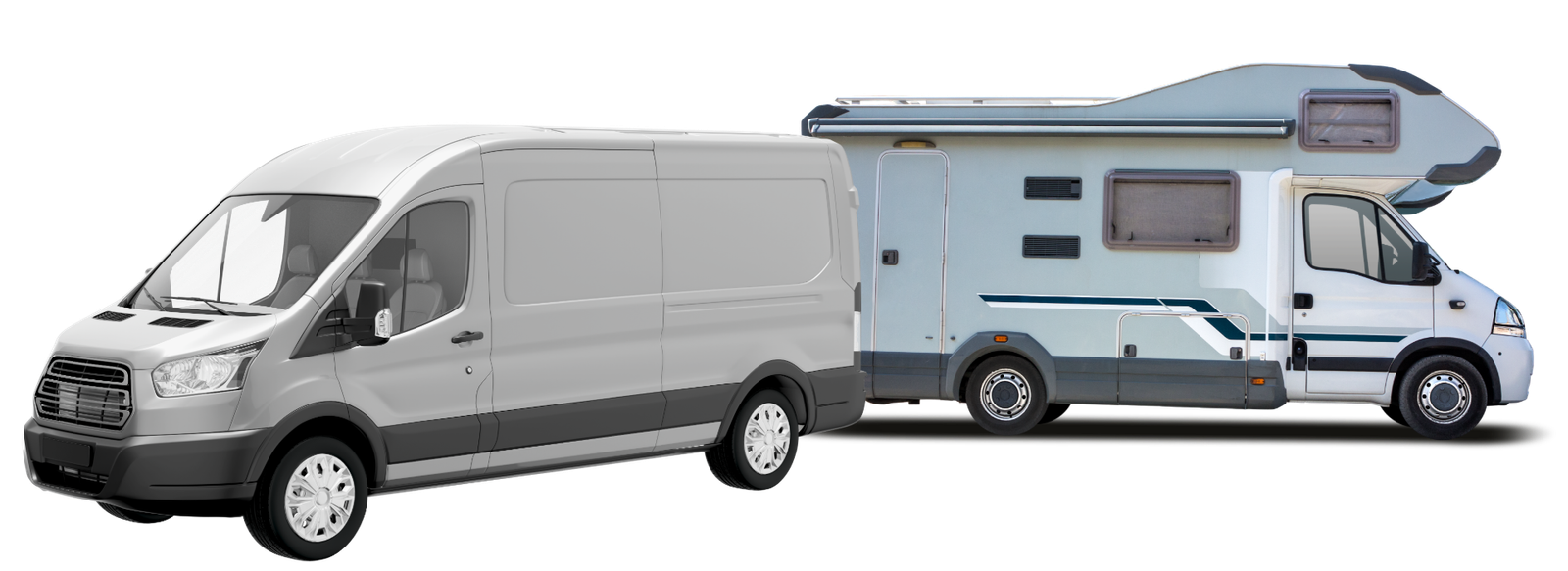
The big debate
Motorhome or Van Conversion?
Motorhomes
Van Conversions
You can choose a factory-built motorhome from brands such as Swift, Elddis, WildAx, Autosleeper and, of course, VW. These will come kitted out with all the electrical, water and living needs accounted for, although this gives little flexibility to adapt layouts facilities and furniture, which tends to be utilitarian.
Read this Practical Motorhome guide to the best camper vans available on the market today.
It’s given that some of the best panel vans to convert are the Mercedes-Benz Sprinter, the Ford Transit, the VW Transporter, the Citroen Relay and the Fiat Ducato. Conversion gives flexibility on the layout according to your own personal preferences and needs, plus the decor can be more to your taste.
Read this Van Comparison Guide by The Van Conversion for a detailed breakdown of the main van types.
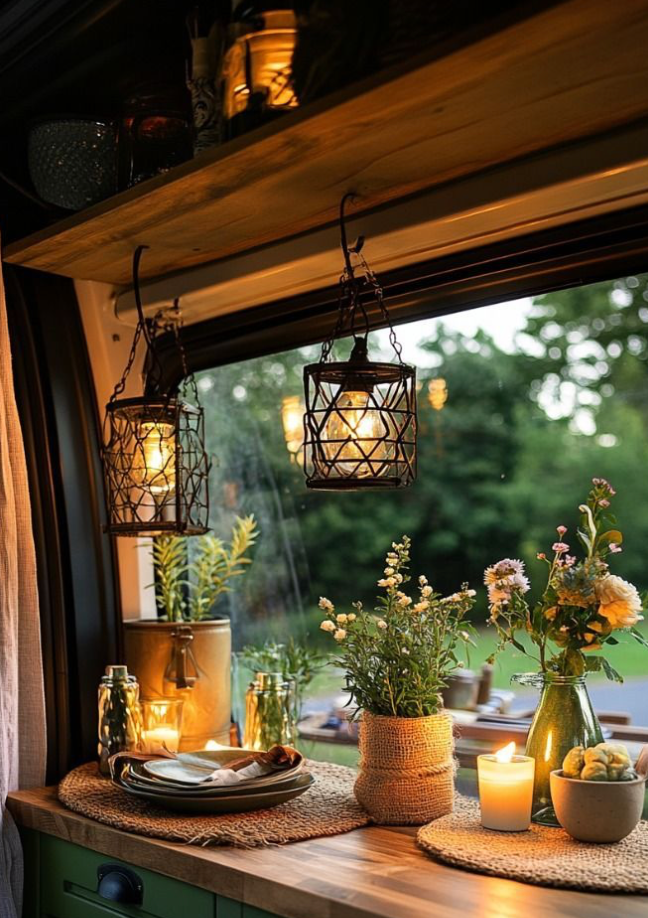
What will you use the van for?
Day Tripper
You want weekends away at the coast, festivals, or fishing. You’ll stay in the van a couple of nights – a week at a push!
Adventure Junkie
You’ll disappear for a couple of weeks to a month, off-grid survival or driving around Africa. Then you go home.
#VanLifer
This is not a holiday or a bushcraft challenge for you, it’s life. You live, and probably work, in your van full time.
Short term fun and adventures
What you’ll need: Something that’s fast and easy to load, economical and quick to drive away and simple to manoeuvre into tight spaces when you get there.
You may want to attach an awning to your van, or surround with windbreakers so you can have a BBQ and sunbathe with a glass of wine in hand. You might want to go to all the festivals and have a great time listening to music and catching up with fellow campers.
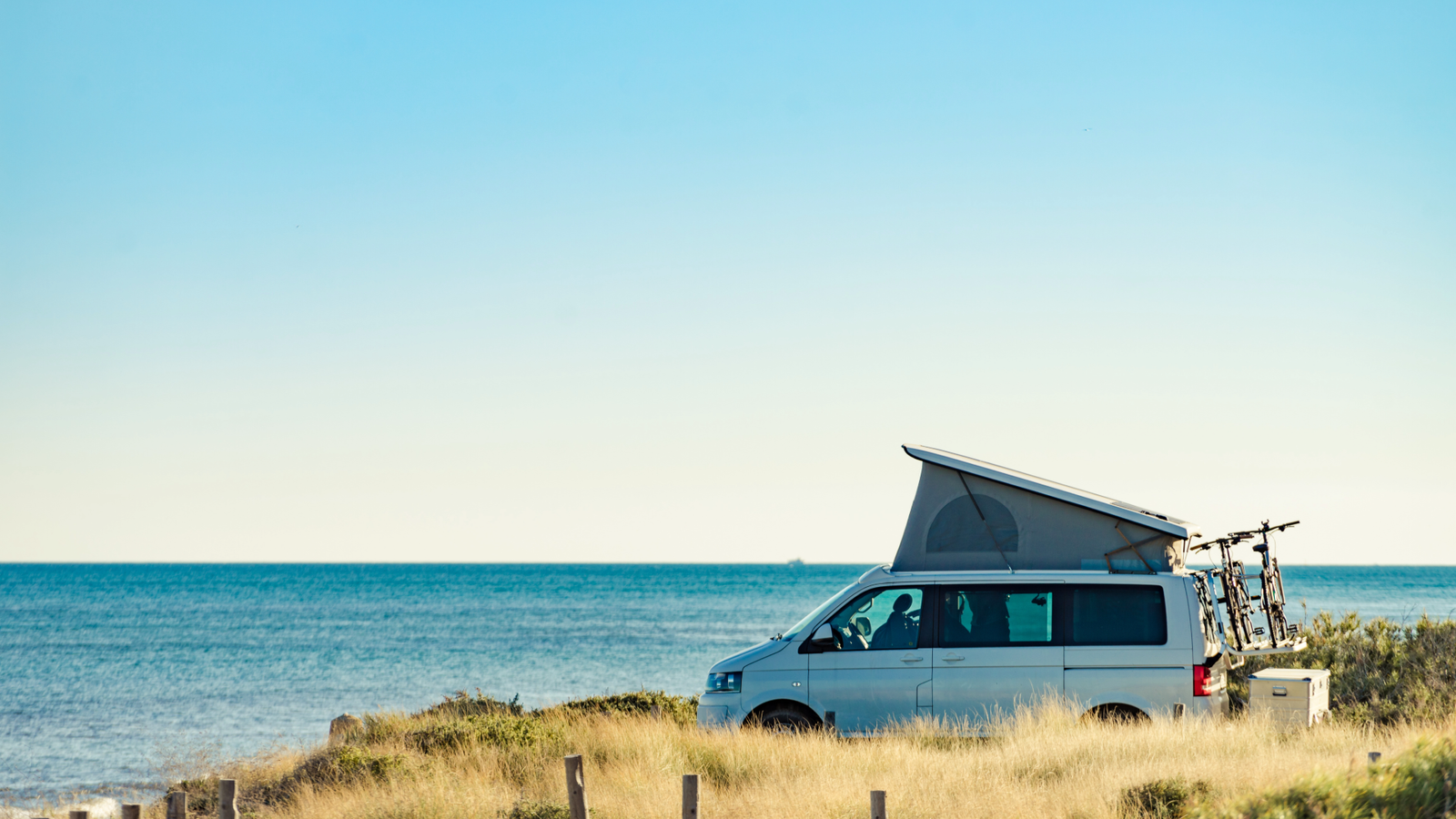
If you’re going to use your van mainly for weekends away, you’ll possibly be considering a day van. Something like the VW Transporter might appeal to you.
PROS: With a shorter wheel base, this type of camper is economical to run, easy to park and has all the essentials, typically; a rock n’ roll sofa bed, cooking space, multiple belted seats and all the power you’ll need to enjoy some tunes and a cup of tea in the morning.
CONS: Unless you have a custom pop-top, day vans can be quite cramped with little headroom. You’ll spend the weekend crouched over or sitting down on the rock n’ roll in sofa mode to make dinner! Usually only 2 berth, but an awning attached to the van will expand the sleeping spaces available without too much separation from the main sleeping area.

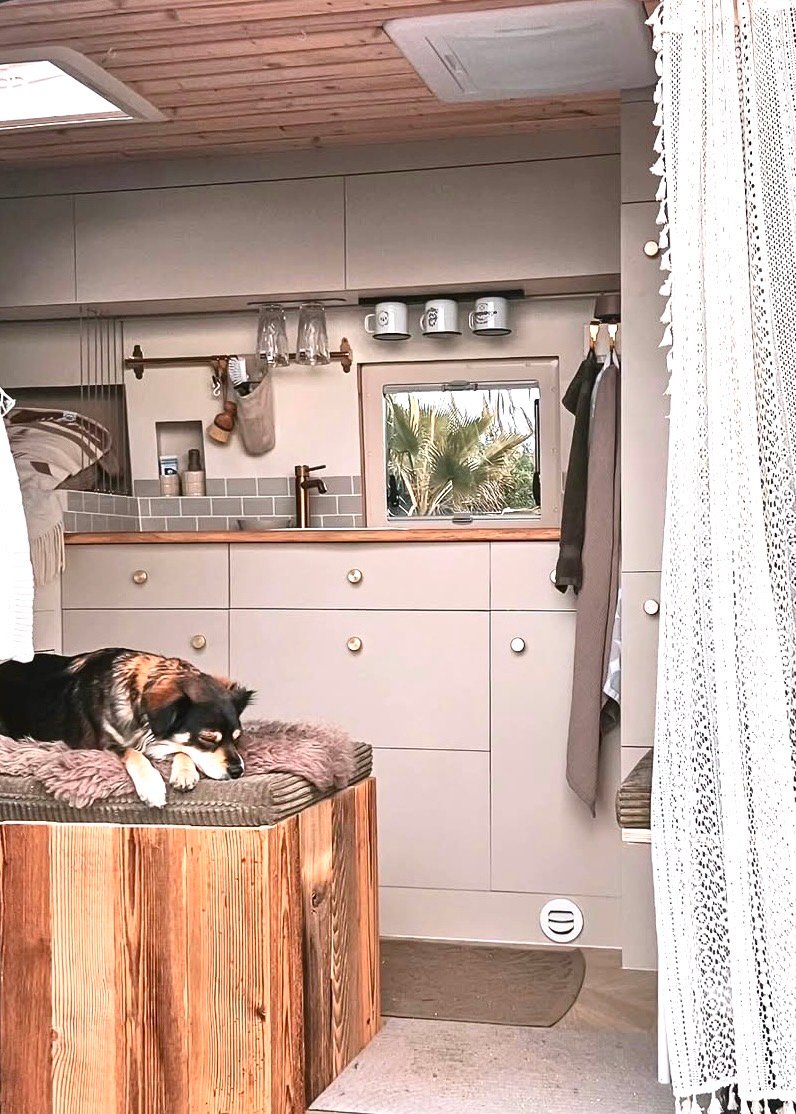


Full Time Living and Working on the Road
A medium to long wheel based van is probably a better option if you’re considering full-time occupancy of your van. It’s true some people live in small vans or even cars, but for me personally, I would need space to sleep, to eat, to shower, to relax and to work.
Panel vans come in SWB, MWB, LWB, XLWB chassis lengths, often determined by the signifiers L1, L2, L3, L4. (L=Length).
There are also height indicators too; H1, H2, H3, H4 with H1 being the lowest and H4 signifying an extra high roof.
A van that is L1/H1 will be the same size roughly as a day van, so not the best option for living in full time.
An L2 length van would fit a fixed bed, maybe a seat and a small kitchen, shorter people could stand up inside an H2 height van, but anyone over 5’5” needs to be looking at least at H3 height. L2 vans are easier to manoeuvre than their L3 and L4 cousins, often fitting into regular car parking spaces without overhanging the lines.
An L3 van, especially if its also H3 would be the perfect size van for a fixed bed, a small shower/loo cubicle, a decent kitchen/storage and seating. H3 would give head clearance for all but the tallest people, and so moving around would feel more natural.
L3 vans tend to still be below the 3.5T weight limit to be able to drive it on a standard UK license, see below for more on this.
L4/H4 vans are going to give the most space, great if you need a race van, with bunks, shower, kitchen and storage for bikes in the rear.
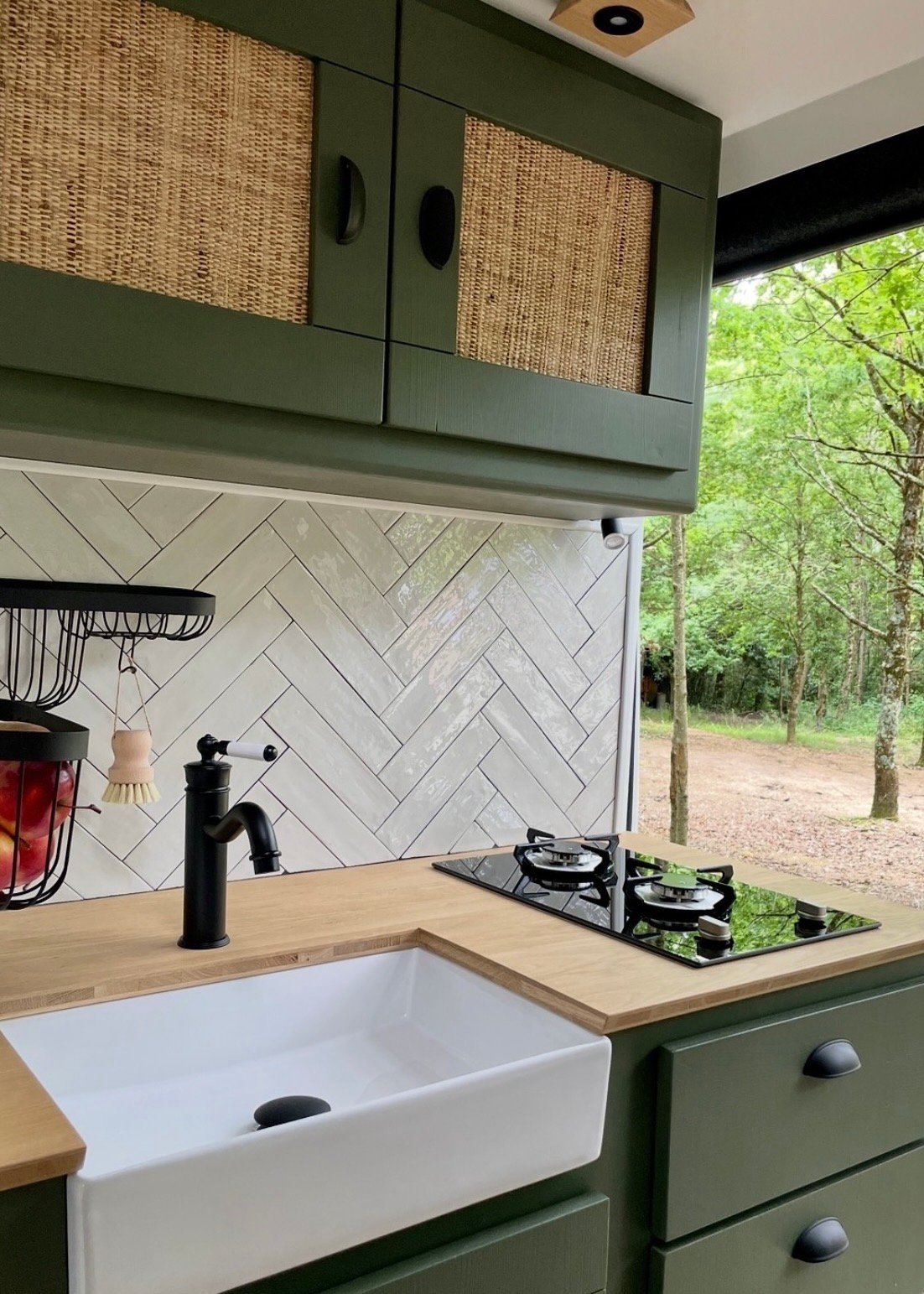
To live in a van full time, you’ll want to prioritise good insulation, a proper kitchen with decent fridge, adequate water storage, solar/electrics, comfortable seating, and a bathroom/shower. Larger batteries and off-grid capability make life easier outside campsites.
useful information
Notes from the VanLife community
Driving & Legal Considerations in the UK
Most camper vans and conversions stay under 3,500 kg GVW, meaning you can drive them on a standard Category B licence. If a vehicle, especially larger RVs, exceeds 3,500 kg, you’ll need a C1 licence. Always check the GVW on the V5C before buying.
Each choice balances budget, comfort, practicality, and legal requirements… so think about how and where you’ll use your van to make the best decision.
Lived experience hacks
I’ve been researching for some time and have come across so many great hints, tips and tricks, too many to list here – so here are my top five favourites that I’ll be adopting moving forward in my adventures living in my van:
- Solar Power is a must. Buy the highest specification solar panel/charge converter/leisure battery set up you can afford to ensure you have plenty of available power for living and working without a shore power hook-up. Optional extras would be an inverter for 110V/220V appliances and a bluetooth monitor to check power levels easily.
- A collapsing ladder, stored in the garage or behind the drivers seat is a safer and more flexible option for getting on the roof than a fixed ladder which may encourage night-time climbers to scale onto your roof.
- Having direct access into the cockpit from inside the van is a must to enable your escape from potentially sketchy situations, such as someone trying to get in your van. Having to leave the safety of the van to get into the drivers seat is not a good option for anyone, especially of there is heightened personal risk.
- Showering is essential – but how do you stay clean if there’s no on-board shower? Some van dwellers have national gym memberships so they can use facilities wherever they are, some use campsites when a shower is needed and others opt for either an outdoor set up with popup shower tent and a hose or… if all else fails; a bowl of hot water, soap and a sponge gets your body squeaky clean in no time. If you don’t have space for a shower onboard, make sure you have a large sink or bowl on board so you can wash. A deep, wide kitchen sink with a flexible hose tap will be good for hair washing too!
- Sticking with keeping clean, laundry is a sticking point for those living in vans. The UK has many campsites with laundry facilities and there’s plenty of high street launderettes across the country that can be visited to get clothes clean, I’ve seen a small item hack that seems affordable and easy to use. For about £40 you can pick up a purpose made, thick PU sealable bag, into which clothes and detergent are added, agitated and wrung out. In conjunction, a £20 good quality salad spinner will do the job of spinning much of the water out of clothing! A van-mounted drying rack or make-shift washing line outdoors will surely put you on for clean smalls until you get to a launderette for larger items.
Final Thoughts
My Ideal Van Specification
This blog post has helped me get clear in my mind what I need from a van for my lifestyle of living and working and travelling in it.
Van Size: I’d prefer an L3/H3 panel van conversion, so I can fit everything in and stand up when moving around.
Power: I’m still learning all this, but my intention is to start with a set up which delivers enough power to live full time and work from the van. Approx. 400Ah-600Ah Lithium + 400W-600W Solar + 3000W Inverter): Best for powering a laptop, Starlink, and small appliances consistently.
Sleeping: I want a fixed bed to the rear of the van, set high enough for a decent garage, but not so high that I can’t sit upright on the bed. I want the bed made up at all times.
Cleaning: I’d like an onboard shower cubicle. I’ll do essential laundry in a washing machine bag with salad spinner combo, (major laundry tasks will be done at a launderette). I’d like a large kitchen sink with a hose-neck tap which is near the door in case I need to rinse down boots etc. An underslung 45l grey water tank with 50l freshwater tank + heater for hot and cold dispensing. I’d eventually like a water filter too so I don’t have to carry bottled water onboard. The loo will be a separating system and coir, stored in vented shower cubicle.
Cooking: I don’t need appliances out on show. I will carry an air fryer and a portable gas burner inside of cupboards. Between the two appliances I can cook most meals with ease. They will be stored away from the counter top, freeing up workspace.
Seating: I’ll be working from the van, building websites and managing other people’s social media – so seating will have to be comfortable. I’d like a deep, thick but firm sofa opposite the sliding entrance door with a laguna table attached for flexibility. I’ll use this space for working, dining and possibly relaxing too.
Storage: Bulkhead above cockpit, wall and floor cabinets and a decent sized garage will store everything I need.
Security: Accessible cockpit from inside the van. External lighting, can be motion detecting. Blink cameras set up covering van doors.
So now I have a list of must-haves and desirables for purchasing my own van.
I hope you found some of this helpful for your van search.
Happy travels!